
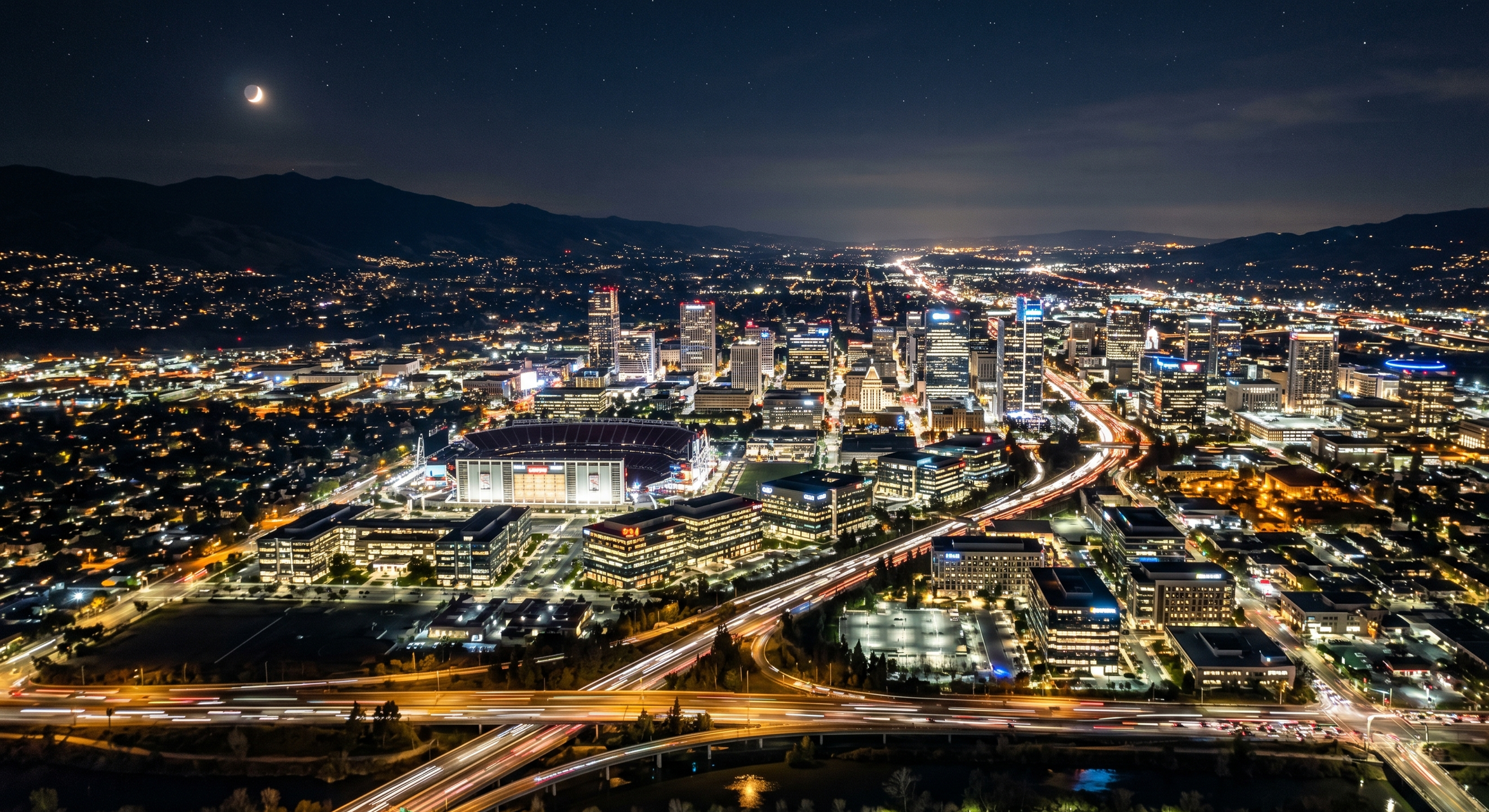
California Asked Everything of You. Nobody Prepared You for What That Would Cost.
You didn't sign up for this version of the job.
You signed up to serve. To protect. To make a difference in your community. What you got instead was a department running at half the national staffing average, mandatory overtime that never ends, a public that has turned on you, and a job that is slowly taking everything it has.
And you are still showing up every single shift.
What's Happening in California Right Now
The staffing crisis facing California's first responders is not a rumor. It is documented, measurable, and relentless.
San Jose Police Department currently operates at approximately 1.0 sworn officer per 1,000 residents — less than half the national average of 2.2 to 2.4. A city of nearly a million people patrolled by roughly 1,000 officers. To keep minimum staffing levels on the street, SJPD spent over $72 million in mandatory overtime in 2025 alone.
San Jose Fire Department tells the same story. Despite serving a city of 970,000 — larger than San Francisco — SJFD operates with 34 stations and approximately 186 firefighters on duty daily. San Francisco, with 170,000 fewer residents, runs over 320 firefighters on shift across 44 stations. Over 60% of SJFD's call volume is emergency medical — and the department is doing it with half the personnel of comparable cities.
And beneath the numbers is something harder to measure.
There was a time when being a law enforcement officer meant something visible in your community. People walked over in restaurants. They shook your hand. They said thank you. That time is gone for many California officers. What replaced it is something that has a clinical name — moral injury. The damage that happens when you are asked to keep serving an institution and a public that no longer honors what you do.
What This Does to a Person
Mandatory overtime doesn't just make you tired. It increases your cumulative trauma load with every additional shift. It keeps your nervous system in a state of chronic activation. It takes you away from your family during the hours they need you most. And it compounds over months and years until the body starts breaking down in ways you can't explain and didn't see coming.
For officers who have been on the job for 15 or 20 years — who remember what it felt like to love this work — the culture shift has created something deeper than burnout. It is grief. Grief for the job they signed up for, the community they believed in, and the identity they built around both.
For younger officers the wound looks different. They came in with purpose and discovered a system where politics constrain what they can actually do, where understaffing puts everyone at risk, and where the officers who should never have made it past FTO are the ones creating danger for everyone around them. The disillusionment is real and it is setting in faster than it ever has before.
For spouses it is the empty chair at dinner. The missed recitals. The partner who comes home from a double shift and has nothing left. The slow disappearance of the person they married.
For all of them the cost is the same — they are surviving the job instead of living the life.
Who Carol Works With in California
Carol currently works with officers and firefighters from agencies throughout California — including SJPD, Santa Clara County Sheriff's Office, Santa Clara PD, Redwood City PD, Gilroy PD, Morgan Hill PD, Mountain View PD, Santa Cruz PD, Los Gatos PD, Palo Alto Fire, Santa Rosa Fire, Monterey County Sheriff's Office, Sacramento Fire Department, and San Jose Fire — and with first responders and their families across the state via telehealth.
She works with:
Active law enforcement officers — patrol, investigations, command
Firefighters and EMS personnel
First responder spouses and partners
First responder couples
She is licensed in California and has been working with this population for over a decade — not because it is a niche she chose strategically, but because she lived this life for 33 years as a law enforcement spouse and couldn't find anyone who actually understood it.
What Working With Carol Looks Like
All sessions are conducted via Google Meet — secure, private, and accessible from anywhere in California. No commute. No waiting room. No explaining your schedule to a receptionist who doesn't understand shift work.
Carol doesn't ask what you're feeling and then nod for an hour. She sees patterns. She names things. She works somatically — helping you understand what your body is carrying and why — because for first responders the trauma lives in the nervous system long before it shows up in behavior.
She is direct. She will challenge you. And she will not sit quietly while the same cycles keep costing you your marriage, your health, or your sense of self.
You've Been Running on Empty Long Enough.
If any part of this page felt like someone was finally reading the actual file — that's not a coincidence. This is exactly who we built this for.
Telehealth. Licensed in California. Available statewide.
[Book a Free Consultation]